

Grief + Abandonment Therapy
Virtual Psychotherapy Across Ontario
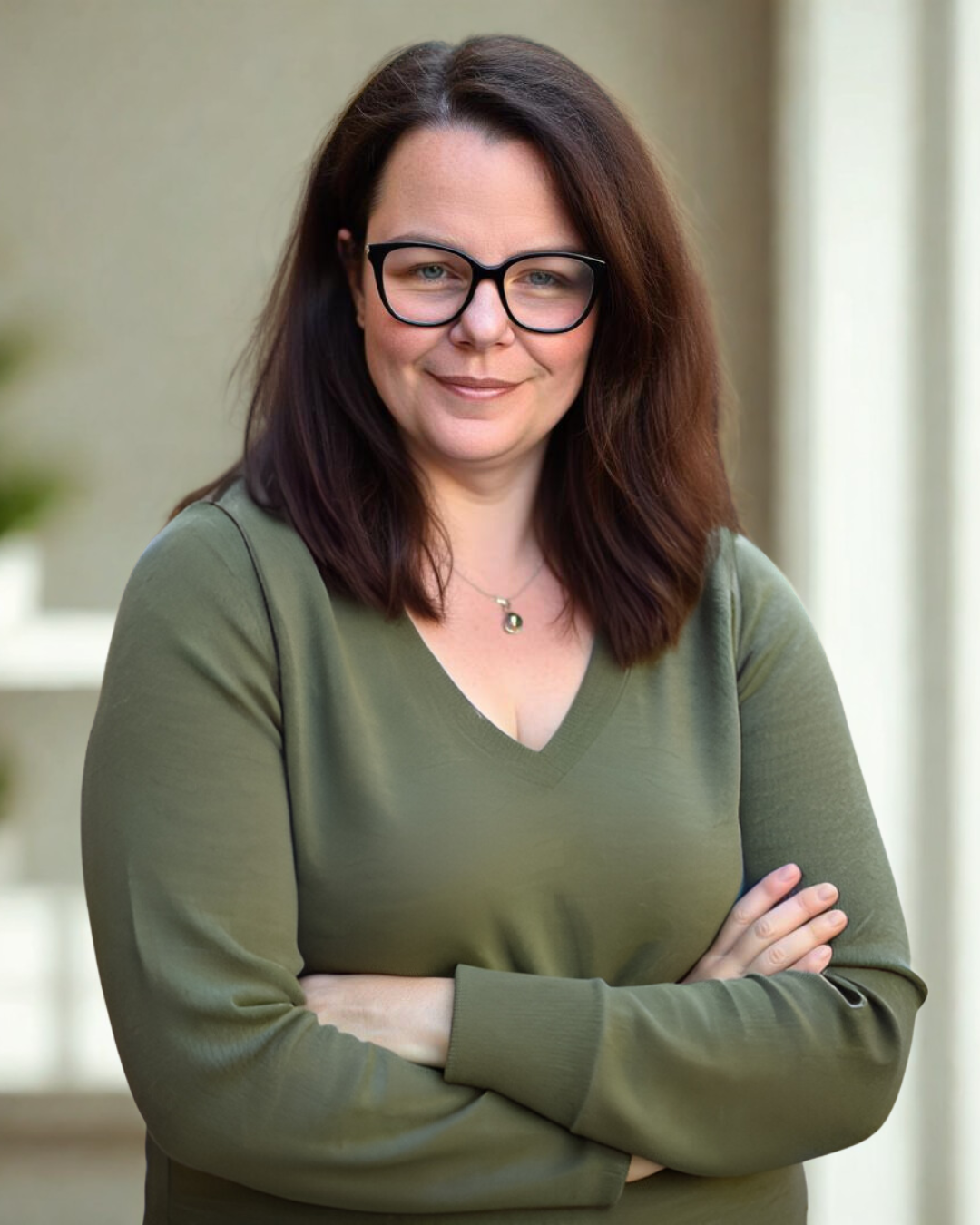
Virtual Therapy for Individuals and Couples Across Ontario
I am a Registered Psychotherapist (Qualifying) under the close supervision of Aline Maia. I am providing virtual therapy for adults across Ontario.
I came to this work after years of navigating entrepreneurship, complicated grief, marriage, motherhood, and the burnout that can sit underneath all of it. I understand what it means to be competent in public and unravelling in private. Virtual therapy allows us to work from where you actually live, without adding more performance or pressure.
This is a space where you do not have to be impressive.
You do not have to be the stable one.
Grief Counselling in Ontario
Grief has shaped my life long before I trained as a therapist.
I have navigated suicide in my family. I have watched what unspoken grief does to relationships, to hierarchy, to children who step in too early. I have seen how death reorganizes families and how silence hardens them.
Grief therapy is not about stages. It is about the aftershocks. The way loss changes your nervous system. The way it shows up in your marriage. The way it can turn into control, distance, over-responsibility, or fear.
Sometimes grief is death. Sometimes it is the loss of the life you expected. The loss of safety. The loss of who you were before everything shifted.
We work with what was never fully processed so it stops shaping your relationships from the background.
Abandonment Trauma and Attachment Therapy in Ontario
Abandonment does not always mean someone left physically.
It can mean emotional unpredictability. It can mean growing up around crisis. It can mean learning that connection is fragile and must be managed carefully.
In my own life, I have had to look at how early instability shaped my drive to overfunction, achieve, and anticipate. Entrepreneurship rewarded that pattern. Parenting exposed it. Marriage tested it.
Attachment therapy helps us understand how those early adaptations continue into adulthood. Relationship anxiety, conflict avoidance, hyper-independence, or clinging are not character flaws. They are strategies.
We slow them down. We make them conscious. We decide what stays and what no longer serves you.
Over-functioning in Relationships and Emotional Burnout
Overfunctioning is not just “doing too much.” It is a relational survival strategy.
It often begins in families shaped by grief, suicide, addiction, instability, or emotional unpredictability. Someone has to stabilize the system. Someone learns to anticipate. To manage. To absorb.
For many high-functioning adults, that someone was you.
I know this pattern personally. In entrepreneurship, it looks like carrying the financial pressure and never letting anyone see the fear underneath. In family systems, it looks like stepping into roles that were never meant for you. In parenting, it can look like hyper-responsibility and vigilance that never fully turns off. In marriage, it can quietly become control dressed up as competence.
Overfunctioning is often rewarded. You get praised for being capable. For being strong. For being the one who holds it together after loss.
But inside, it can feel like chronic tension. Resentment. Anxiety when others underfunction. A belief that if you stop managing everything, something will collapse.
In therapy, we slow this down.
We look at where overfunctioning began. Often it is rooted in unresolved grief, abandonment trauma, or early attachment wounds. We separate your genuine strengths from the parts that developed to survive instability.
The goal is not to make you less capable. It is to reduce the compulsion to carry what was never yours alone.
Connection should not require constant management. Stability should not depend entirely on you.
Who I Work With
I work with individuals and couples across Ontario who:
Have experienced suicide loss or complicated grief
Grew up around instability, addiction, or emotional unpredictability
Struggle with fear of abandonment in adult relationships
Appear high functioning but feel exhausted underneath
Are entrepreneurs, parents, or leaders who carry more than most people realize
Are tired of being the strong one
Many of my clients are thoughtful, capable adults who do not see themselves reflected in trauma narratives but know something underneath has never fully settled.
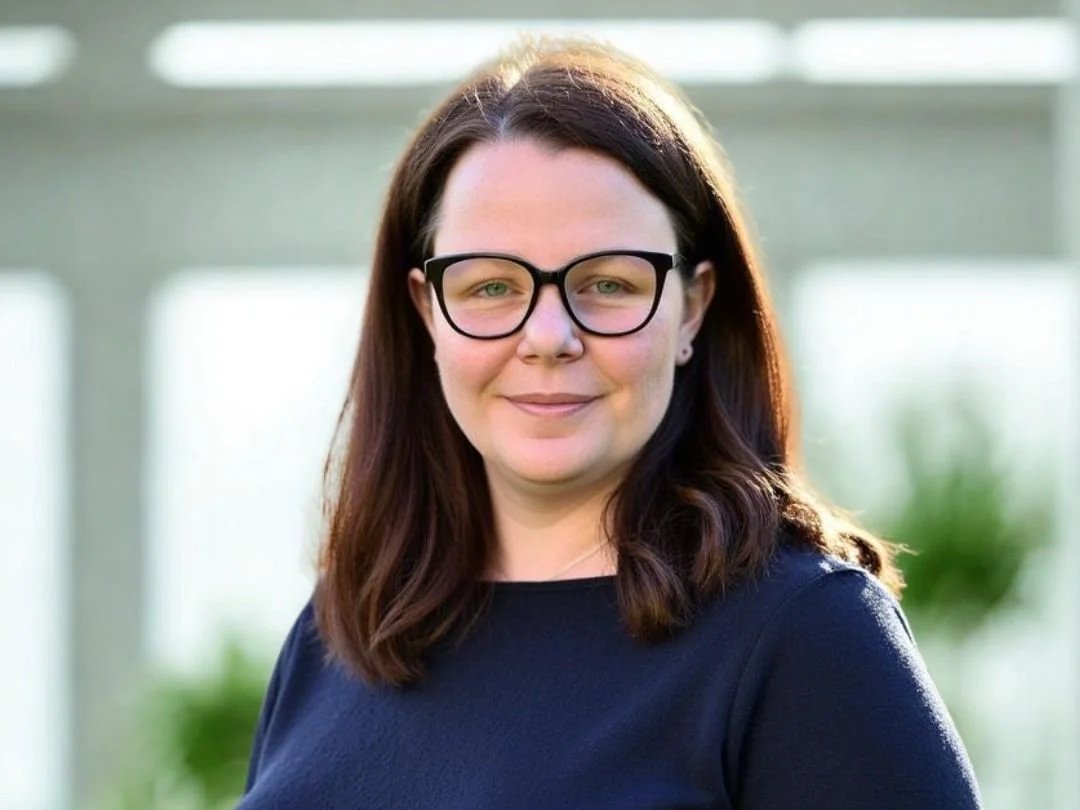
About Elaine Alexander
I am a Registered Psychotherapist (Qualifying) in Ontario under the close supervision of Aline Maia, completing my Master of Arts in Counselling Psychology and registered with the College of Registered Psychotherapists of Ontario. I provide virtual therapy for adults across Ontario.
Before becoming a therapist, I spent over twenty years in entrepreneurship and leadership. I rebuilt after burnout. I carried financial pressure. I navigated family suicide and the quiet systemic impact that kind of loss leaves behind. My path into psychotherapy is rooted in lived experience, not theory alone.
I am Trauma of Money Certified and trained in Timeline Therapy and Hypnotherapy. This informs how I work with grief, attachment wounds, financial stress, and the patterns that become embedded in the nervous system over time.
My approach is grounded in attachment theory and trauma-informed care. I work under supervision and I bring the perspective of someone who has navigated entrepreneurship, money stress, family suicide, and parenting while doing her own inner work.
Fees, Insurance, and Booking
Individual virtual therapy for adults across Ontario.
50-minute sessions for individuals are $170.
Couples Sessions are $195
As a Registered Psychotherapist (Qualifying), services are covered by most extended health benefit plans under psychotherapy. Please confirm with your provider.
You can book a consultation or session below.
Frequently Asked Questions
-
I provide virtual therapy for adults across Ontario as a Registered Psychotherapist (Qualifying). I specialize in grief counselling, suicide bereavement, abandonment and attachment wounds, and patterns of overfunctioning in relationships. I also work with financial stress, emotional burnout, relationship anxiety, and the long-term impact of early instability.
-
Yes. I work with adults who have experienced suicide loss or complicated grief. Suicide can reorganize families, create silence, and leave lasting attachment wounds. Therapy provides space to process the trauma, anger, confusion, and systemic impact that often follows.
-
Overfunctioning is a relational pattern where one person takes on excessive responsibility for emotional regulation, conflict management, finances, or stability. It often develops in families shaped by grief, addiction, emotional unpredictability, or abandonment. In adulthood, it can lead to emotional burnout, resentment, and anxiety in relationships.
-
Attachment therapy focuses on how early relational experiences shape adult relationships. If you experience fear of abandonment, relationship anxiety, conflict avoidance, or hyper-independence, these patterns may be rooted in attachment wounds. In therapy, we explore these patterns and work toward more secure, balanced connection.
-
Therapy may be helpful if you appear high functioning but feel emotionally exhausted, anxious in relationships, burdened by unresolved grief, or stuck in patterns of over-responsibility. A consultation can help determine whether we are a good fit.
-
Yes. I provide secure virtual psychotherapy for adults across Ontario. Online therapy allows you to access support from your own space without commuting or adding additional strain to your schedule.
-
As a Registered Psychotherapist (Qualifying) in Ontario, my services are covered by most extended health benefit plans under psychotherapy. Please confirm coverage directly with your insurance provider.
-
My work is grounded in attachment theory and trauma-informed care. I am also Trauma of Money Certified and trained in Timeline Therapy and Hypnotherapy. These approaches inform how I work with grief, financial stress, attachment wounds, and nervous system patterns. Any interventions are used ethically and within my scope of practice.
-
You can book a consultation or therapy session here. All sessions are conducted virtually for individuals and couples living in Ontario.
-
Individual virtual therapy for adults across Ontario.
50-minute sessions for individuals are $170.Couples Sessions are $195
As a Registered Psychotherapist (Qualifying), services are covered by most extended health benefit plans under psychotherapy. Please confirm with your provider.